Reducing Packaging Waste Through Innovative Design
Reducing Packaging Waste Through Innovative Design: A Comprehensive Guide
Packaging waste represents a significant environmental challenge in the 21st century. As consumerism rises and e-commerce flourishes, the amount of packaging entering landfill sites worldwide has soared. However, innovative design solutions offer hope for a sustainable future. This article explores how innovative packaging design can minimize packaging waste, protect the environment, and even benefit businesses. We'll present actionable insights and inspiring examples for brands, designers, and environmentally-conscious consumers interested in reducing their packaging footprint.
Understanding the Problem: Packaging Waste in Today's World
Packaging serves to protect products, provide information, and make goods attractive to customers. Yet, once a product is used, discarded packaging quickly becomes waste, clogging landfills and polluting land and water. According to the Environmental Protection Agency (EPA), packaging constitutes about one third of all household waste.
- Single-use plastics are among the most common and persistent packaging materials.
- Cardboard and paper packaging, although biodegradable, still require significant resources to produce.
- Excess packaging--also called "overpackaging"--exacerbates the problem by unnecessarily using more material.
Clearly, the need to reduce packaging waste is urgent. Innovative packaging design emerges as a key strategy in addressing this issue.
The Core Principles of Reducing Packaging Waste Through Design
Effective waste reduction starts at the design phase. By considering a product's lifecycle, packaging designers can minimize material use and anticipate a package's end-of-life. Let's explore the fundamental design principles for reducing packaging waste:
1. Design for Minimalism
One of the simplest and most effective strategies is using less material without compromising protection or consumer appeal. Brands achieve this by:
- Slimming down boxes and eliminating unnecessary inner layers.
- Reducing plastic by incorporating more efficient closures and fitments.
- Choosing compact, product-tailored packaging solutions.
2. Prioritize Recyclability and Compostability
Innovative designers specify materials that are easily recyclable or compostable. Key considerations include:
- Mono-material packaging: Using a single material (e.g., only cardboard or only PET) facilitates recycling.
- Avoiding problematic additives, dyes, and multi-layer composites that complicate recycling processes.
- Exploring bioplastics and plant-based materials that break down in composting environments.
3. Embrace Reusability and Refill Models
Reusable packaging systems are gaining traction, especially in the food and personal care industries. Examples include:
- Glass jars and stainless steel containers designed for multiple refills.
- Mail-back or deposit-return schemes encouraging customers to return or reuse packaging.
4. Optimize for Logistics
Packaging can be designed to minimize transportation waste as well. Considerations include:
- Creating stackable, nestable, and fold-flat packages to reduce shipping volume.
- Designing modular packaging that minimizes empty space in transit.
5. Utilize Digital Printing and Smart Labeling
Digital printing technology reduces waste by allowing for smaller production runs and less need for pre-printed stock. Smart labeling enables tracking and better lifecycle management of packages, improving recyclability and repurposing rates.
Case Studies: Innovative Packaging Design Solutions
Let's look at real-world examples where innovative design has led to significant reductions in packaging waste:
Case Study 1: Loop Reusable Packaging System
Loop is a circular shopping platform that partners with major brands like Unilever and Nestle. Customers buy products in durable, reusable containers that are picked up, sanitized, and reused repeatedly. This model slashes single-use packaging waste and offers a glimpse into a waste-free future.
Case Study 2: IKEA's Mushroom-Based Packaging
IKEA is replacing traditional polystyrene packaging with a compostable mushroom-based alternative. This design innovation utilizes agricultural waste and the root structure (mycelium) of mushrooms to create strong, biodegradable packaging quickly and affordably.
Case Study 3: Coca-Cola Lightweighting Initiative
Coca-Cola's PlantBottle and its lighter-weight PET bottles demonstrate how material innovation can reduce both plastic use and carbon footprint. By optimizing bottle design and utilizing renewable resources, Coca-Cola has kept billions of plastic bottles out of landfills.
Case Study 4: Apple's Paper-Based Packaging
Apple has moved toward fiber-based, recyclable packaging, replacing much of its plastic with paper materials. The company also invests in minimalist packaging layouts and custom-molded inserts, which reduce overall material usage and improve recyclability.
The Benefits of Reducing Packaging Waste with Better Design
There are a host of benefits for businesses, consumers, and the planet from embracing innovative packaging design to reduce waste:
- Environmental Impact: Less waste means less pollution, fewer greenhouse gas emissions, and preserved resources.
- Cost Savings: Using fewer materials and optimizing packaging often leads to lower production, storage, and shipping costs.
- Brand Image: Eco-friendly packaging can boost brand reputation, attract conscious consumers, and foster loyalty.
- Regulatory Compliance: Many governments are increasing regulations and taxes around packaging waste. Proactive design helps companies stay ahead of compliance requirements.
Challenges to Reducing Packaging Waste Through Design
Despite the advantages, there are still hurdles to widespread adoption of waste-reducing packaging innovations:
- Cost and Scalability: Some environmentally-friendly materials and processes can be more expensive, especially at small scale.
- Consumer Behavior: Many consumers are still more attracted to convenience, appearance, or perceived protection over sustainability.
- Recycling Infrastructure: The effectiveness of recyclable/compostable packaging depends on the availability of local facilities.
- Functionality: Packaging must still protect products and perform in the supply chain, which can limit material choices.
Overcoming these challenges requires collaboration between designers, manufacturers, policy makers, and consumers.
Latest Trends in Sustainable and Innovative Packaging Design
Leading brands and start-ups alike are exploring new innovative packaging solutions to tackle the waste crisis. Here are some of the top trends:
1. Smart and Connected Packaging
Technologies like QR codes and NFC chips are enabling packages to "communicate" with consumers - providing recycling instructions, facilitating refill orders, or delivering sustainability information directly to mobile devices.
2. Edible Packaging
Research is underway to develop edible films and wrappers made from seaweed, starch, or protein. These can reduce waste to practically zero, as the packaging is consumed along with the product.
3. Biodegradable and Compostable Plastics
Materials made from cornstarch, sugarcane, or other bio-based sources can break down much faster than traditional plastics, reducing landfill impact and microplastic pollution.
4. Deposit and Refill Schemes
Supermarkets and brands are piloting programs where customers pay a refundable deposit for reusable packaging or bring their own containers to refill stations, especially for everyday staples and cleaning products.
5. Minimalist Aesthetics and Branding
Eco-conscious brands are embracing simple, functional packaging that minimizes inks, coatings, and embellishments. This not only reduces material and chemical use but also communicates credibility and trust.
How Businesses Can Start Reducing Packaging Waste Through Design
Successful reduction of packaging waste starts with a clear strategy and commitment to innovation. Here are practical steps for brands and designers:
- Audit your current packaging: Assess materials, volume, and recyclability. Identify excess or unnecessary elements.
- Engage with suppliers: Explore what new, sustainable materials or formats are available within your supply chain.
- Prototype and test: Develop alternative packaging designs and test for functionality, aesthetics, and consumer acceptance.
- Educate consumers: Clear communication on packaging helps consumers recycle or reuse it effectively.
- Measure and report: Track your packaging waste reduction metrics and share your progress publicly to inspire stakeholders.
The Role of Consumers in Reducing Packaging Waste
While brands and designers play a leading role, consumers have significant influence. By making conscious purchasing decisions and demanding sustainable packaging designs, customers drive market changes. Here's what individuals can do:
- Choose products with minimal or reusable packaging.
- Support brands that demonstrate innovation in packaging waste reduction.
- Recycle and compost properly, following local guidelines.
- Advocate for more eco-friendly packaging options in your community.
The Future: Towards a Circular Packaging Economy
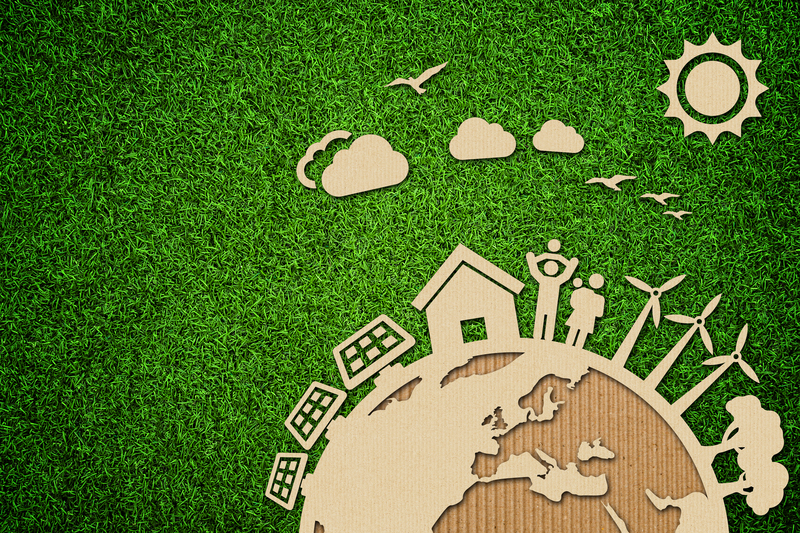
Ultimately, the vision for reducing packaging waste through innovative design is aligned with a circular economy--where packaging materials are constantly reused, recycled, or returned safely to the environment, and waste is virtually eliminated. Achieving this goal will require continued advances in design, technology, and systemic change in packaging norms and regulations.
By prioritizing smart, sustainable design, our society can significantly decrease its packaging waste, lower environmental impact, and forge a more promising path for future generations.
Conclusion: Innovative Design as the Key to Cutting Packaging Waste
Reducing packaging waste through innovative design is more than a trend; it's a necessity for our planet. By embracing new materials, minimalism, reusability, and system thinking, both brands and consumers can make a tangible difference. Every step--from smarter design to mindful consumption--brings us closer to a zero-waste world. If your brand is looking to stay competitive and responsible, invest in packaging innovation today for a cleaner and more sustainable tomorrow.