House Clearance in Blackheath
House clearance in Blackheath needs to be practical, orderly and suited to the property, whether you are dealing with a full home, a partial clearance or a single room that has become difficult to manage. Our service focuses on removing unwanted household contents with care, from bulky furniture and white goods to mixed items that need sorting before removal. The aim is to make the process straightforward while keeping attention on what should be kept, what should be removed and how the work is carried out in occupied or empty homes.
We handle house clearance work for different property types, including family homes, flats, rented accommodation and probate properties. Some customers need a careful room-by-room approach, while others want larger items cleared from several floors in one visit. Our work can also include separate items such as wardrobes, sofas, beds, small appliances and general household clutter. If you need a practical plan for a property in Blackheath, start by deciding what stays and what needs to go, then request a quotation when you are ready.
Clearances are often easiest when they are treated as an organised removal task rather than a rush to empty everything at once. That means looking at access, stairs, parking, item size and whether anything needs to be separated for reuse, disposal or recycling. For homes with mixed contents, we can help with the physical removal of the items identified for clearance and keep the work focused on the agreed scope. For a simple first step, tell us what the property contains and what result you want to achieve.
Domestic clearance for houses, flats and shared spaces
Domestic clearance often starts with a property that contains a mix of furniture, personal belongings and general household items. In some homes, the main task is removing a few larger pieces; in others, the work involves several rooms and items that need sorting before they leave the property. Our service is designed to suit that range, so the clearance can be scaled to the actual contents rather than forced into a one-size-fits-all approach. That makes it easier to keep only what is necessary and remove what no longer serves a purpose.
We commonly support clearances where the customer needs help with large items, mixed small items and household rubbish that has built up over time. This can include bedroom furniture, lounge furnishings, storage items, kitchen contents and miscellaneous belongings from lofts or understairs spaces. When a property is lived in, we work around the items that are staying behind, so the removal task remains controlled and orderly. For many domestic jobs, the most useful outcome is simply having the unwanted contents removed cleanly and without unnecessary disruption.
What a domestic clearance can include
The exact work depends on the property, but a typical domestic clearance may involve one or more of the following:
- Removal of sofas, tables, chairs, beds and wardrobes
- Clearing of boxed items, bagged contents and general clutter
- Separate handling for heavier or awkward household items
- Loading from lofts, basements, sheds or garages where access allows
- Sorting items intended for disposal, recycling or reuse where appropriate
For this kind of job, it helps to be clear about any item that must stay in the property and any that needs special care because of size, weight or condition. If the clearance includes multiple rooms, a simple walkthrough or inventory can make the quotation more accurate and the work easier to plan. You do not need to make everything perfect before making contact, but a little structure at the beginning usually saves time later. When the scope is clear, the clearance itself can move ahead more smoothly.
Furniture removal and item-focused clearance

Not every job requires a whole-property clearance. Sometimes the main need is for furniture removal, especially when a room is being refurbished, a tenancy is ending or large items are no longer wanted. We remove individual pieces as well as grouped furniture from homes and flats, keeping the work focused on the items that are actually in the way. That can be useful when you want to keep the rest of the room intact and avoid unnecessary disturbance to other belongings.
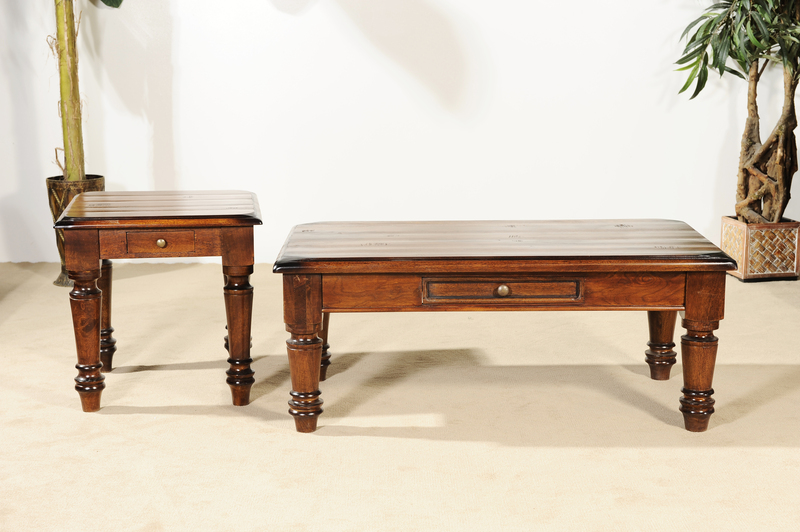
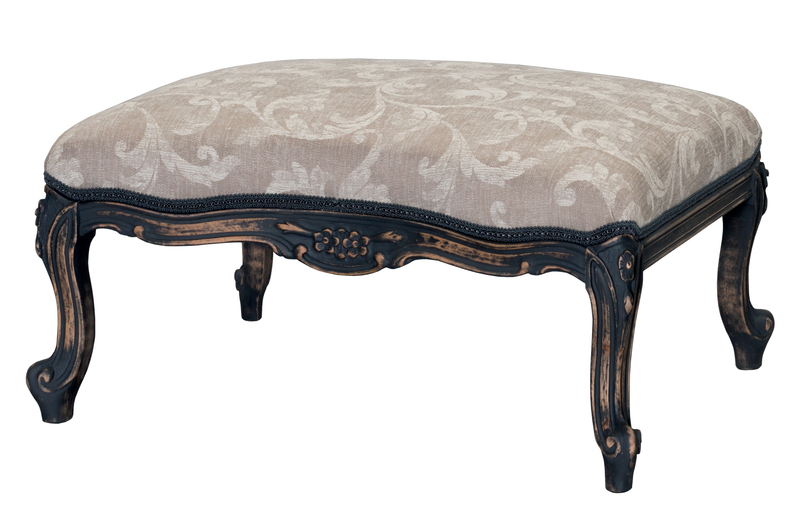
Furniture clearance is often about handling awkward sizes and heavy lifting sensibly. Sofas, beds, wardrobes, shelving units and dining sets can take up a lot of space and may need more than one person to move safely. Our approach is to remove those items with care for the property and the surrounding contents, which is particularly important in narrow hallways, stairwells or upper-floor flats. If the furniture is mixed with smaller household items, we can separate the work so the removal stays organised and manageable.
Some customers also need a broader furniture disposal service when pieces are damaged, obsolete or no longer fit for use. In those cases, the priority is a clear, practical removal solution rather than trying to pack everything into a general clean-up. The best quotation usually comes from describing the pieces involved, their condition and the access route. If you are not sure whether an item counts as furniture clearance or a fuller house clearance, describe the situation plainly and we can match the work to the right scope.
Household areas that need a focused clearance approach
Many properties do not need every room cleared in the same way. A loft can contain stored belongings, a garage may hold tools and broken household items, and a spare room might have become a place for overflow storage. In those situations, the most useful service is often a targeted clearance that deals with one part of the property at a time. This approach reduces unnecessary handling and helps keep the rest of the home usable while the work is carried out.
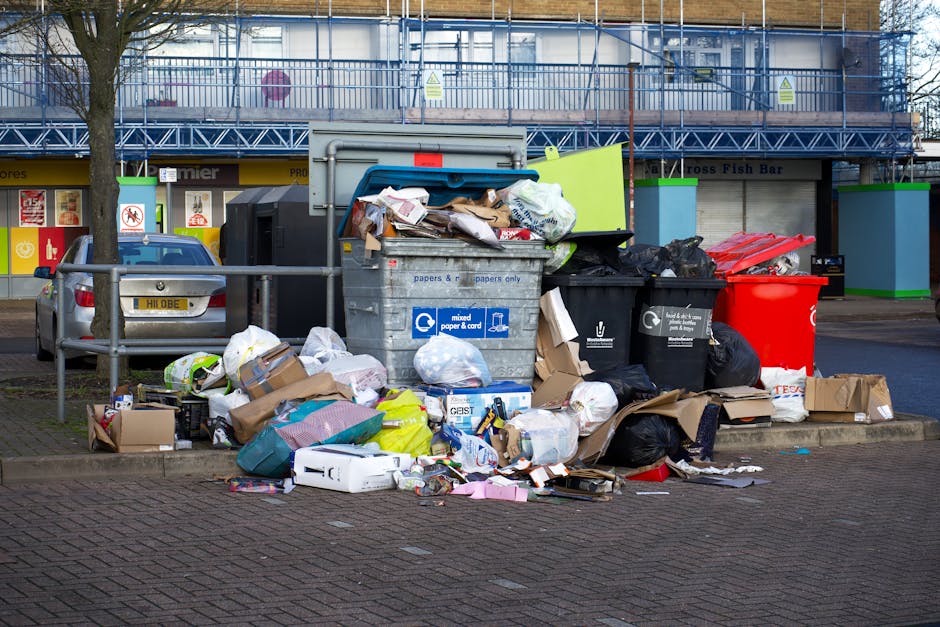
Our household clearance work can cover lofts, garages and similar storage-heavy spaces, as well as full or partial house clearances when a larger job is needed. These spaces often contain mixed contents rather than one neat category of item, so the work depends on sorting, lifting and loading in a measured way. A garage clearance, for example, may involve old equipment, broken furniture, boxes of miscellaneous items and a few larger pieces that need careful movement. The service is intended to remove what has been identified, not to disturb items that the customer wants to keep.
When deciding what to clear, it can help to think in practical groups: items for removal, items to stay, and items that may need separate attention because they are especially heavy, fragile or awkward. Clarity at the start makes the work easier to price and organise. If the job is mainly one room or one storage area, say so; if it has grown into several connected spaces, that can be included in the plan too. The key is to describe the actual contents rather than to guess at the type of clearance required.
Clearance for properties being prepared for change

Some clearances happen because a property is being prepared for sale, let, refurbishment or handover. In those circumstances, the goal is usually to remove household contents that are no longer needed so the space can be presented in a cleaner, more workable state. Our service suits that kind of transition because it can cover furniture, loose items and general contents in one planned removal rather than splitting the work into several separate jobs.
When a house is changing hands or being refurbished, the clearance may need to be careful as well as efficient. Certain items might need to stay until a final check, while others can go immediately. That is why a simple list or set of photographs can be useful when you ask for a quotation: it helps show what is there, what access is available and whether any items are especially large, delicate or difficult to move. The more accurately the contents are described, the easier it is to match the work to the real job.
Useful preparation before the clearance
There are a few practical steps that often help before the work begins:
- Decide which rooms or storage areas are included
- Separate anything that must remain in the property
- Note large items that need extra lifting or disassembly
- Check access routes, parking and any stair or lift restrictions
- Gather any information about items that need special handling
These steps do not need to be complicated, but they do help the clearance run in a more orderly way. If the job involves several spaces, it is often best to treat the property as a set of clear sections rather than as one vague task. That makes it easier to remove the right contents in the right order and keep the process under control. When you are ready to move forward, a clear description of the property usually leads to a better quotation.
Pricing factors and the value of a clear quotation
House clearance pricing is usually shaped by the amount and type of contents, the access to the property and the time needed to complete the job safely. A small clearance from an easy ground-floor property will naturally be different from a larger clearance involving stairs, bulky furniture and several connected rooms. Because every property is different, the most useful quotation is one that reflects the actual work rather than a rough guess. That is especially true where the contents include mixed items that need sorting before removal.
It is helpful to explain whether the work is a full house clearance or a partial one, and whether any items are particularly heavy, fragile or awkward to move. If you have photographs, a short inventory or a room-by-room note, that can make the quotation more accurate. This is not about over-preparing; it is about giving enough information for the job to be assessed sensibly. Once the scope is clear, the plan can be shaped around the property rather than around assumptions.
If you would like to compare different parts of the work, separate them in a simple way: furniture to go, rooms to clear, and anything that must remain. That method is often the easiest way to avoid confusion later and to keep the quotation aligned with the real task. Ask for a quotation once you have a clear picture of the contents, and the rest can be arranged around that. The aim is a straightforward response that matches the property and the amount of work involved.
Items that need careful handling during house clearance
Some clearances include items that are easy to list but awkward to move. Heavy wardrobes, glass-fronted cabinets, older appliances and bulky sofas can all require more thought than light loose items. In addition, homes often contain a mixture of materials that are better handled separately, whether because of size, condition or practical removal concerns. A good clearance plan takes those details into account so the job can progress without avoidable delays.
When items are fragile or difficult to lift, the approach should be measured rather than rushed. That may mean working in stages, taking larger pieces out first, or making sure the access route is clear before lifting begins. We can remove household contents in a way that keeps the focus on the agreed items and reduces unnecessary disturbance to the rest of the property. In a lived-in home, that care matters just as much as speed because it helps protect the surrounding space.
If the clearance includes a mix of reusable furniture, damaged items and general household contents, it is worth identifying those groups early. That gives a clearer picture of the work and helps avoid last-minute uncertainty. Some customers are mainly interested in freeing up space; others want a complete removal of contents from selected rooms. Either way, the useful starting point is a plain description of the items, not a guess at how much work they represent. From there, the clearance can be planned properly.
Recycling, sorting and responsible disposal

House clearance is not only about lifting and loading; it also involves deciding where different items should go once they leave the property. Household contents can vary widely, from furniture and electrical items to mixed materials and general waste. Because of that, a clearance job often needs a sensible sorting process so the items are directed to the appropriate next step. That may include recycling where suitable and disposal where items are no longer usable.
Where items are in better condition, it can be useful to separate them from broken or unsuitable contents so they are handled differently. The same applies to mixed household waste that has accumulated alongside usable furniture. A thoughtful clearance reduces unnecessary handling and makes the process more organised from start to finish. For the customer, the main benefit is a property that has been cleared in a way that matches the contents rather than ignoring them.
Good planning also helps when the property contains a variety of materials. Wooden furniture, metal frames, textiles, cardboard and general household items may all be part of the same job, but they do not necessarily belong in the same stream of handling. The clearer the list of contents, the easier it is to structure the work. If you are deciding whether something belongs in a domestic clearance or a furniture-only removal, think about what the item is, how many there are and whether the job involves one space or several.
About Blackheath
Blackheath is a district in south-east London, centred on one of the capital’s best-known open spaces and shared by the London Boroughs of Greenwich and Lewisham. The heath itself is an expansive common land area, notable for its wide, open character in contrast with the surrounding built-up streets. Historically, it has been associated with travel, meeting places and public gatherings, and it remains a recognisable landscape feature within the wider urban fabric. The area also sits close to Greenwich Park and the route to the village-like streets of Greenwich, giving it a clear relationship with nearby historic and cultural places. Blackheath railway station and nearby transport links connect the district to central London and neighbouring parts of south-east London, while the local road pattern reflects the area’s long development around the heath and adjacent residential streets.
The built environment around Blackheath includes a mix of Georgian, Victorian and later housing, along with local shops, churches and civic buildings that give the district a distinctive character. The parish church of St Michael and All Angels, Blackheath Halls and several conservation areas contribute to the area’s architectural interest. Blackheath Common has long been used for walking, informal recreation and events, and the nearby landscape also includes paths that lead towards Greenwich Park, the Royal Observatory and the Thames-side heritage of the wider area. The district’s name is familiar to many Londoners because of the open space at its centre, but the area itself has a layered identity shaped by residential life, local institutions and the presence of one of London’s most recognisable commons. That combination makes Blackheath feel both urban and open, with a strong sense of place that comes from its history, streetscape and green space.
House clearance support tailored to the job
For some properties, the right answer is a complete clearance; for others, it is a narrow job that deals with one room, one type of item or a specific part of the home. That is why our service is built around the actual contents rather than a fixed pattern. If the task is mainly a few items of furniture, we keep the work focused on removal. If the property contains several rooms of mixed contents, we can treat it as a larger clearance and work through the agreed areas in a practical order.
There is also value in deciding early how much of the property should be included. A clear scope helps avoid repeated visits, makes the quotation more accurate and reduces confusion when the work starts. If you are unsure whether a garage clearance, loft clearance or full house clearance is the better fit, describe the contents and the access route in plain language. That simple approach often reveals the most suitable way to handle the job and keeps the work properly matched to the property.
For a straightforward next step, keep the description focused on the rooms, the main items and any constraints that matter on the day. If you have already separated the items to stay and the items to go, that is useful too. Contact us for a quotation when you are ready to plan the clearance in Blackheath.
Planning the work and making contact
A sensible house clearance begins with practical information: what needs removing, where it is located and how the property can be accessed. That is enough to start a useful quotation in most cases. If the job includes stairs, narrow hallways, shared entrances or heavier pieces of furniture, those details matter because they affect how the work is carried out. A well-described job is easier to plan and is less likely to need further clarification later.
It can also help to think about the clearance in sections if the property is particularly full. For example, you may want to list the main furniture first, then smaller items, then any separate storage areas such as lofts or garages. That sort of structure keeps the request readable and gives a clearer sense of scale. The process does not need to be complicated; it simply needs enough detail for the job to be understood correctly.
When you are ready, you can ask for a quotation in plain terms and include the basic information that shapes the work. If the clearance is urgent in your own planning sense, say so; if it is part of a move, refurbishment or probate arrangement, mention that too. The more clearly the property is described, the easier it is to respond with a quotation that reflects the real task. Request a quotation today and we will help you take the next step.