Recycling and Sustainability at Blackheath House Clearance
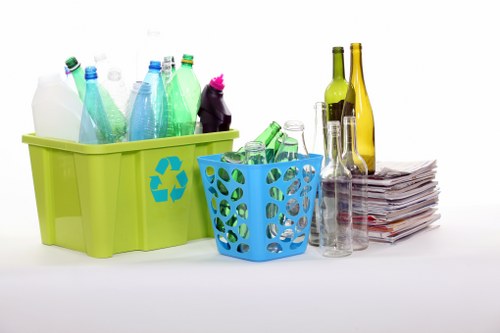 At Blackheath House Clearance we prioritise an eco-friendly waste disposal area and a truly sustainable rubbish area approach across every job. Our commitment is rooted in local practice: we align with the Royal Borough of Greenwich and London Borough of Lewisham approaches to waste separation, focusing on clear streams for dry recycling, food waste, glass and bulky items. This page explains our recycling percentage target, local transfer station use, charity partnerships, and how our low-carbon vans reduce emissions during clearances.
Our services for Blackheath clearance are designed to minimise landfill. We segregate items on-site wherever possible, separating paper and card, mixed containers, metal, textiles, WEEE (electricals), and reusable furniture. This initial separation supports the local councils' systems and makes it easier to direct materials to the correct civic amenity sites and reuse centres, ensuring the maximum amount can be recycled or repurposed.
 We have set a clear recycling percentage target: 85% reuse or recycling by weight across standard house clearances within the Blackheath area. This target covers items diverted to reuse partners, material recovery facilities, and certified recycling contractors rather than landfill. It is an ambitious but achievable target made possible by good sorting, accurate reporting and strong local partnerships.
To support an efficient eco-friendly waste disposal area we work with nearby transfer stations and civic amenity sites. Where appropriate we route materials to local transfer stations and community recycling centres in Greenwich and Lewisham, and to authorised material recovery facilities that accept bulky recyclable streams. By consolidating loads and using authorised sites we cut down on double-handling and reduce vehicle miles.
 Our fleet includes low-emission and low-carbon vans to further reduce the impact of house clearances. We operate electric and hybrid vehicles where possible, and employ route-optimisation software to lower mileage and idling time. In addition, we use low-carbon vans for last-mile collections and prioritise larger consolidated trips for heavier loads, reducing the carbon footprint per tonne of waste handled.
Partnerships with charities and reuse organisations are key to our sustainable rubbish area strategy. We collaborate with local furniture banks, community reuse centres and registered charities that accept working furniture, household goods and clothing. These partnerships ensure items with life left in them are diverted away from recycling processing and return to community use.
 How this works in practice: our crews separate and record items on site, then classify them by destination. Typical pathways include:
- Reuse partners – furniture and household items suitable for donation.
- Material recovery – cardboard, mixed plastics, glass and metals sent to authorised MRFs.
- WEEE stream – electricals and electronics sent to licensed WEEE facilities.
- Textiles – wearable clothing and linens to charity sorting centres or textile recyclers.
- Hazardous items – correctly segregated for safe disposal in compliance with local regulations.
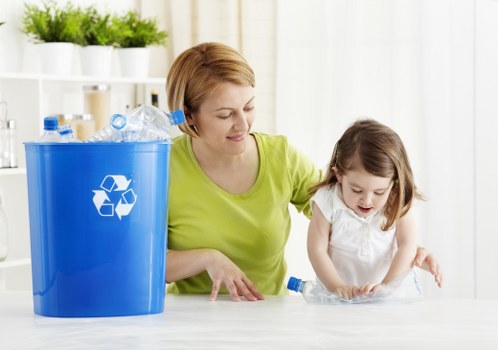 We comply with borough-level guidance on waste separation and collection: this means aligning our sorting with kerbside systems where possible (for example, keeping glass and mixed containers separated from paper and card). Aligning with borough systems reduces contamination rates and increases the proportion of materials that can be recycled locally.
Local Transfer Stations and Civic Links
Rather than invent specific site names, we operate through the network of authorised transfer stations and civic amenity sites serving the Blackheath area. Our logistics team coordinates with local authority-operated sites and licensed waste carriers to ensure that recyclables and reusable items are routed efficiently. This reduces the time materials spend in transit and supports local circular economy initiatives.
Community Partnerships and Social Reuse
Our charity partnerships are central to sustainable house clearance in Blackheath. We prioritise donation to local charities and social enterprises that provide support to vulnerable people, fund community services, or operate reuse shops and social enterprises. This social reuse model keeps serviceable items in use longer and directly benefits the local community.
Monitoring, Reporting and Continuous Improvement
We track diversion rates, vehicle emissions and partner outcomes to measure progress towards our 85% target. Regular reporting, internal audits and feedback from reuse partners help us refine operations. We also invest in crew training on sorting best practice, contamination avoidance and safe handling of hazardous materials.
In summary, Blackheath House Clearance delivers a practical, accountable and community-focused approach to the eco-friendly disposal of household waste. By combining on-site segregation, local transfer station use, charity partnerships and a low-carbon vehicle fleet, we help create a more sustainable rubbish area and support the local boroughs' recycling objectives. Our aim is to leave homes cleared, communities supported and the environment protected.